culture
Scottsdale Artists and Collectives Reshape Desert Community Through New Cultural Programming
Local artists and grassroots collectives are reshaping the desert landscape through a surge of new programming.
How we reported this
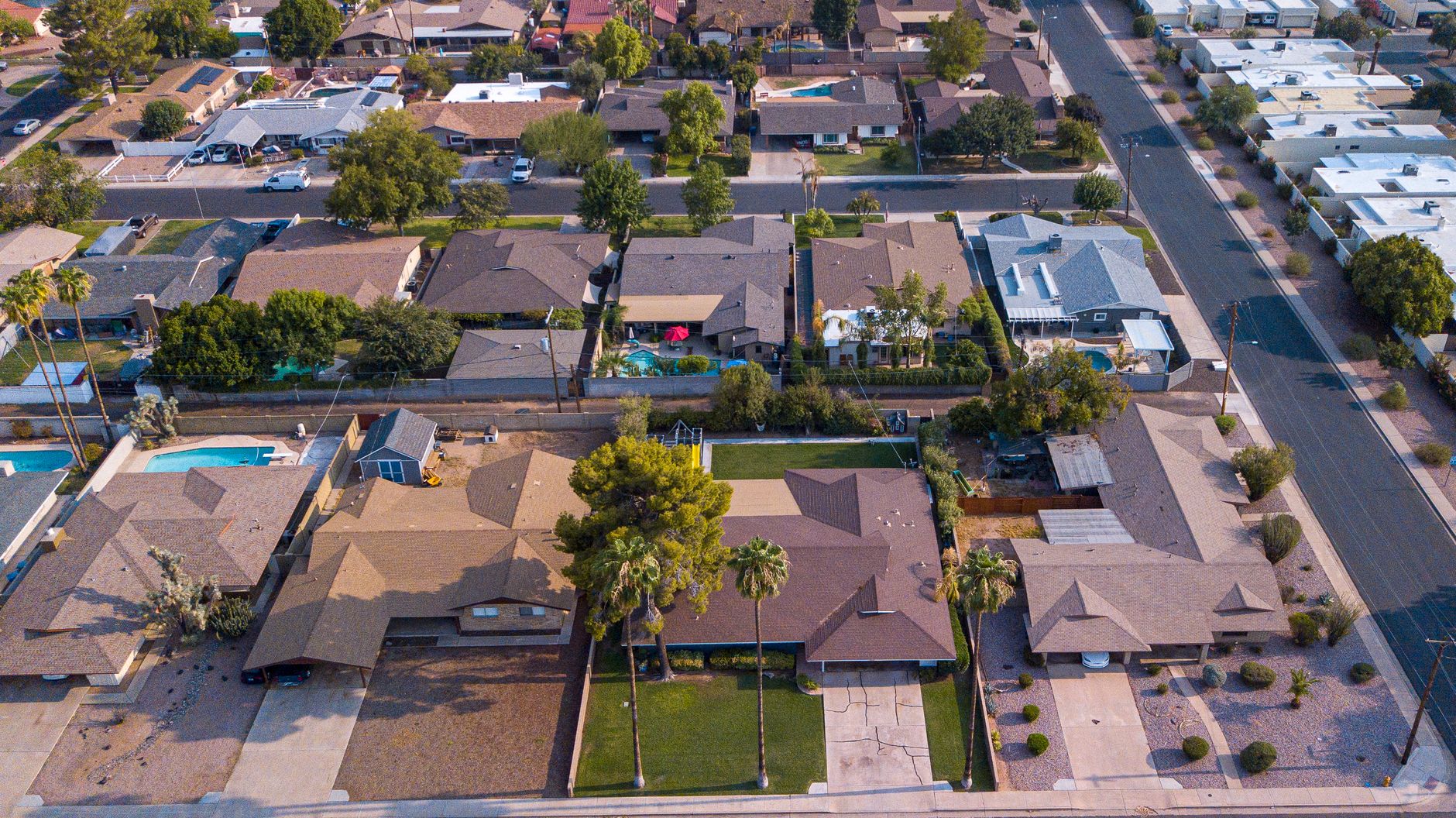
Scottsdale is undergoing a distinct transformation as a new wave of community-led initiatives reshapes the city's artistic landscape. Moving away from traditional high-end tourism, the focus has shifted toward neighborhood-level cultural participation, anchored by local collectives that emphasize public engagement and collaborative workspaces.
The Pulse of Old Town and Beyond
This movement is most visible along the corridors of Main Street and within the Marshall Way Arts District. Organizations such as the Scottsdale Public Art program have facilitated this shift by integrating rotating installations that demand interaction rather than passive viewing. These projects serve as physical manifestations of a broader desire for more accessible, less commercialized cultural experiences. The push is not merely about aesthetic change; it is a structural move toward embedding creative practice into the daily rhythms of life in Old Town.
The growth of the Scottsdale Arts Learning & Innovation department highlights how institutional support is meeting this grassroots momentum. By hosting consistent workshops and open-studio weekends, they have provided the necessary infrastructure for emerging creators to sustain their work locally. The cultural shift is bolstered by a marked increase in public-private partnerships, which have allowed underutilized urban zones to become active hubs for experimental theater and street art.
Metrics of a Changing Cultural Scene
Evidence of this momentum can be measured by the expansion of programming at the Scottsdale Center for the Performing Arts. As of the summer season beginning July 2026, the organization has reported a consistent rise in community engagement initiatives compared to the previous calendar year. This expansion includes the launch of new community-access tiers for performance series, which were formalised in early 2026 to ensure broader demographic participation in the city’s major arts events. Local economic reports, including filings from the Scottsdale Chamber of Commerce, indicate that the frequency of neighborhood-level cultural events has increased throughout the district, drawing a consistent flow of foot traffic into previously quiet blocks.
For residents looking to participate in this changing landscape, the upcoming calendar offers several opportunities to engage with the movement. The city’s official cultural portal lists updated schedules for the ArtWalk series and various public studio tours that run through the remainder of the month. Experts suggest that those interested in the evolution of the city’s creative sectors keep a close watch on the upcoming municipal planning sessions regarding future usage of public plazas, as these decisions will dictate where the next generation of creative collectives will find their homes.